1800

A History Project

Moving America

Wagons, Railroads & Boats — How Three Technologies Raced to Connect a Growing Nation, from Westward Expansion to the Civil War

Nicki — Wagons Cooper — Railroads Luke — Boats TBD — Coming Soon

Scroll to Begin

Wagons
Railroads
Boats

1717 – 1800

Before the Revolution

"Mud roads, river highways, and the wagon that started it all"

Wagons · Nicki

December 31, 1717

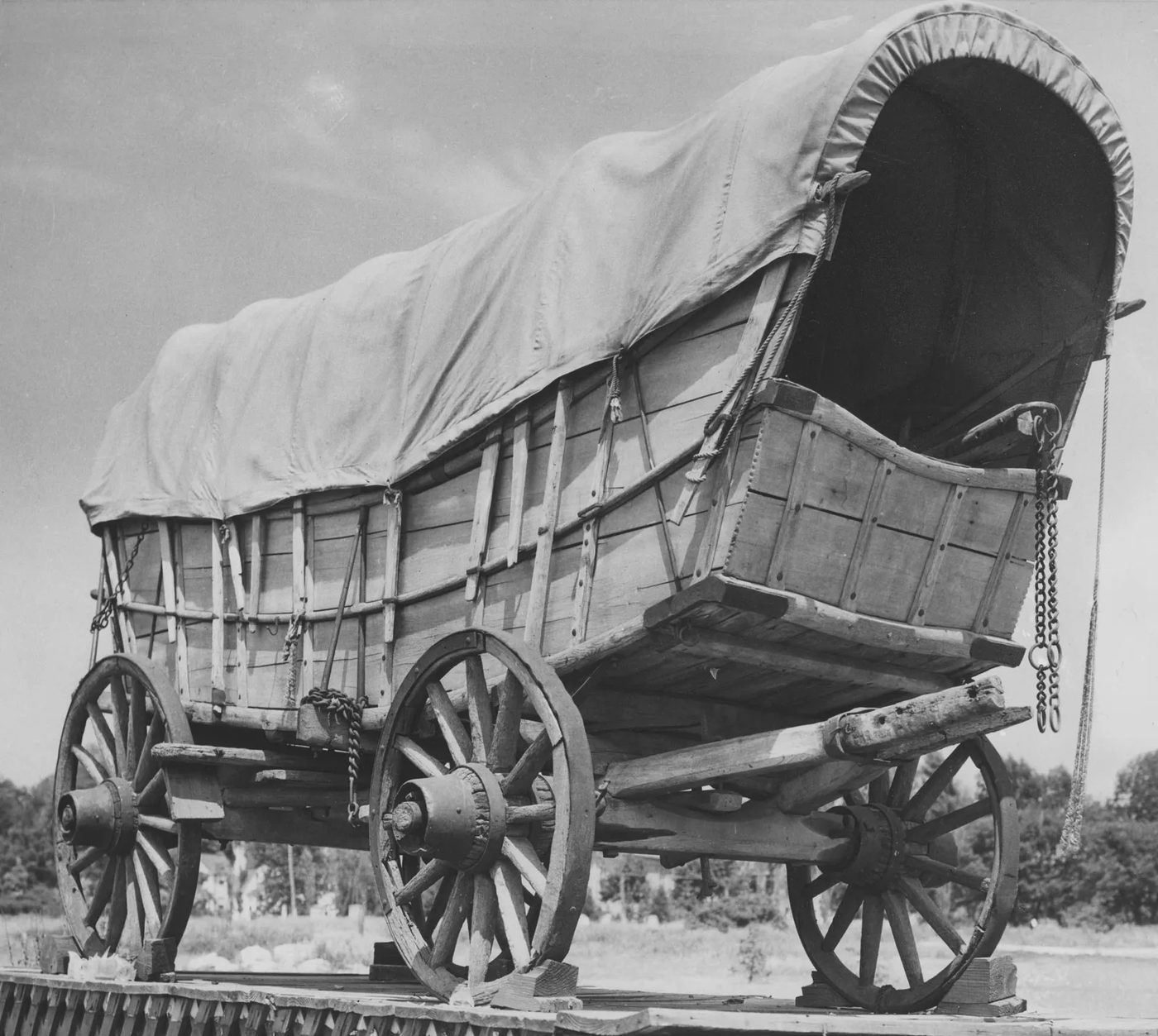
The Conestoga Wagon Is Born

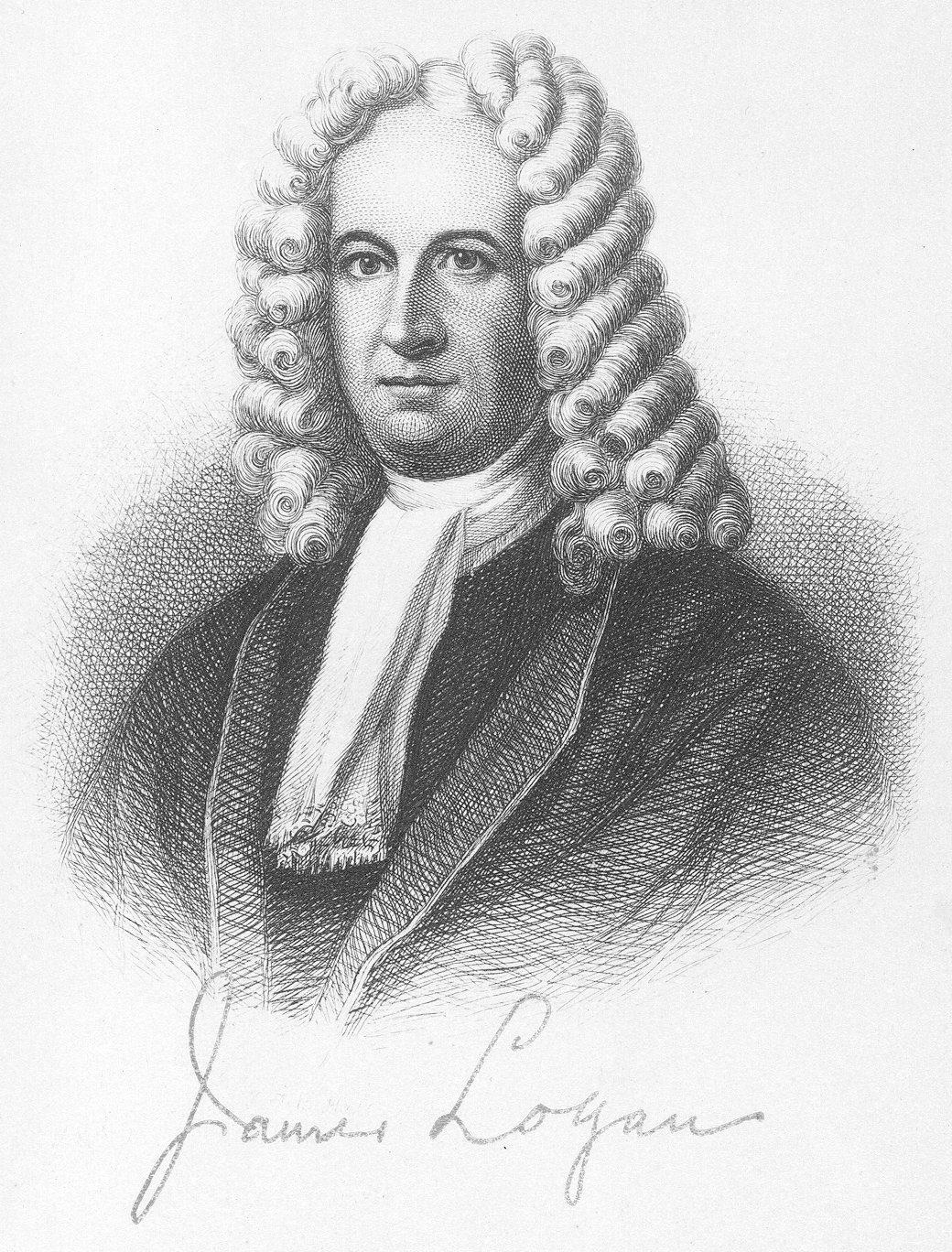
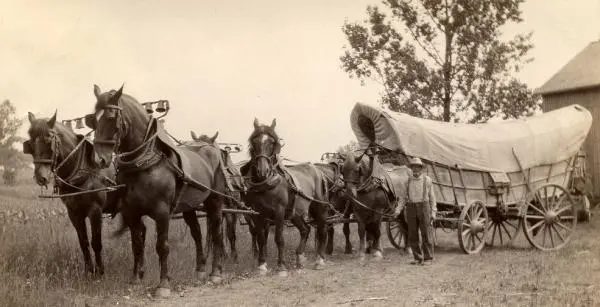
James Logan — Secretary to William Penn — purchases the first documented Conestoga wagon. Born along the Conestoga River in Pennsylvania, these heavy-duty haulers featured a signature boat-shaped bed with a curved floor designed to prevent cargo from shifting on steep Appalachian grades. Iron-rimmed wheels, pulled by teams of horses, they earned the legendary nickname "the ship of inland commerce."

The curved floor wasn't just clever — it worked the same way a boat hull handles rough water. That's why they called it the ship of inland commerce: it was literally shaped like one.

Image: Conestoga Wagon

1800 – 1830

America Gets Ambitious

"Steam, canals, and the beginning of everything"

Railroads · Cooper

February 21, 1804

The First Steam Locomotive

Richard Trevithick builds the first steam-powered locomotive in England. It's loud, clunky, and spewing smoke — and nobody in America takes it seriously. Horses have been pulling things for centuries. Why trust a machine that might explode? Spoiler: within 30 years, America would have more railroad track than the rest of the world combined.

Boats · Luke

August 17, 1807

Fulton's Folly — The Steamboat That Terrified America

Robert Fulton's steamboat — officially the North River Steamboat, later called the Clermont — launches up the Hudson from NYC to Albany. Almost nobody believed it would work. They called it "Fulton's Folly." The crowd watched it move… then it stopped. Fulton rushed below, fixed the issue, and it started again. It completed 150 miles in 32 hours at about 5 mph — crushing every sailing vessel on the river.

People along the Hudson who had never heard of steamboats completely lost it. Villagers saw a dark craft belching smoke with bizarre machinery. Some thought it was a sea monster. Others thought it was a sign of Judgment Day. Meanwhile, Fulton's chief engineer got so drunk celebrating in Albany that Fulton fired him on the spot.

Wait, Really?

Fulton previously designed a submarine for Napoleon called the Nautilus, and also invented naval torpedoes. His first steamboat prototype in France broke in half and sank. Sailing boats kept "accidentally" ramming the Clermont's paddlewheels, so he had to add metal guards.

Image: Fulton's Clermont
Video: How the Steamboat Changed Everything
Boats · Luke

1817 – 1825

Clinton's Ditch — The Canal That Made New York City

Governor DeWitt Clinton championed a 363-mile canal from Albany to Buffalo. Jefferson called it "a little short of madness." Enemies called it "Clinton's Ditch." There were no professional engineers in America — amateurs literally learned on the job. Over 1,000 workers died of malaria in one summer.

When it opened October 26, 1825, cannon fire traveled the entire state — one shot per minute for 90 minutes. Clinton poured Lake Erie water into New York Harbor: the "Wedding of the Waters." Freight costs dropped 95%. Within a year, 42 barges a day hauled timber, grain, and 435,000 gallons of whiskey. The $7 million cost was repaid through $121 million in tolls. NYC became America's busiest port.

Wait, Really?

Canal boats were pulled by mules (not horses) because mules were smarter, tougher, didn't spook, and could climb out of the canal if they fell in. Farmers who let the canal cross their land got bridge materials — but not much, so the bridges were low. Hence the song: "Low bridge, everybody down!"

Railroads · Cooper

October 7, 1826

America's First Railroad — Powered by Horses

The Granite Railway in Massachusetts becomes the first US railroad. It ran 3 miles. Pulled by horses. That's right — America's first "railroad" was horses pulling carts on tracks. But the rails reduced friction enough that horses could pull far heavier loads. Baby steps.

Railroads · Cooper

February 28, 1827

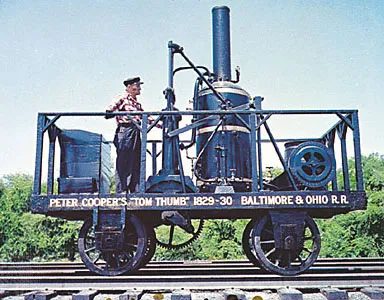
The B&O — America's First Real Railroad

The Baltimore & Ohio Railroad becomes the first regular carrier of passengers and freight. Baltimore merchants created it because they were losing business to New York's Erie Canal. One water transportation revolution literally caused a railroad revolution. The B&O started with horses but would soon become ground zero for steam in America.

1830 – 1850

Full Steam Ahead

"Railroad fever, steamboat explosions, and wagons heading west"

Railroads · Cooper

December 25, 1830

Steam Goes Mainstream — On Christmas Day

The South Carolina Canal and Railroad Company completes the first steam-powered passenger service in the US. Before this day, every single passenger rail service in America was horse-drawn. December 25, 1830 is when horses officially started losing their jobs. Merry Christmas, steam engine.

Video: The Dawn of Steam Railroads in America
Railroads · Cooper

1832 – 1833

Mail, Presidents, and the Oldest Railroad Still Running

December 5, 1832: Mail is transported by rail for the first time. Same year, the Strasburg Railroad is chartered in Pennsylvania — and it's still operating today, the oldest continuously running railroad in America.

June 6, 1833: President Andrew Jackson becomes the first sitting President to ride a train — 10 miles on the B&O. Imagine being the most powerful person in the country riding a brand-new technology that might blow up. That's either brave or reckless. With Andrew Jackson, it was probably both.

Wait, Really?

Early passengers believed 30 mph would cause organ collapse. Doctors warned women were especially at risk. None of it was true — but it shows how radical mechanical speed felt to people whose fastest experience was a galloping horse.

Boats · Luke

1830s – 1850s

Steamboat Racing — The Most Dangerous Sport in America

Steamboat races on the Mississippi became massive spectator events. Captains pushed boilers to dangerous pressures to win. An engineer on the steamboat Princess in 1859 declared he'd make it on time "if he had to blow her up." All four boilers exploded.

Between 1841-1848, 70 boiler explosions killed 625 people. In 8 months before the 1852 safety laws, 700 died. Three Congressmen and a Senator died in separate explosions. A publisher created Lloyd's Steamboat Directory — gruesome descriptions and 32 explosion woodcuts — and it became a bestseller. He sold copies to passengers on the very steamboats that might explode.

Railroads · Cooper

1840

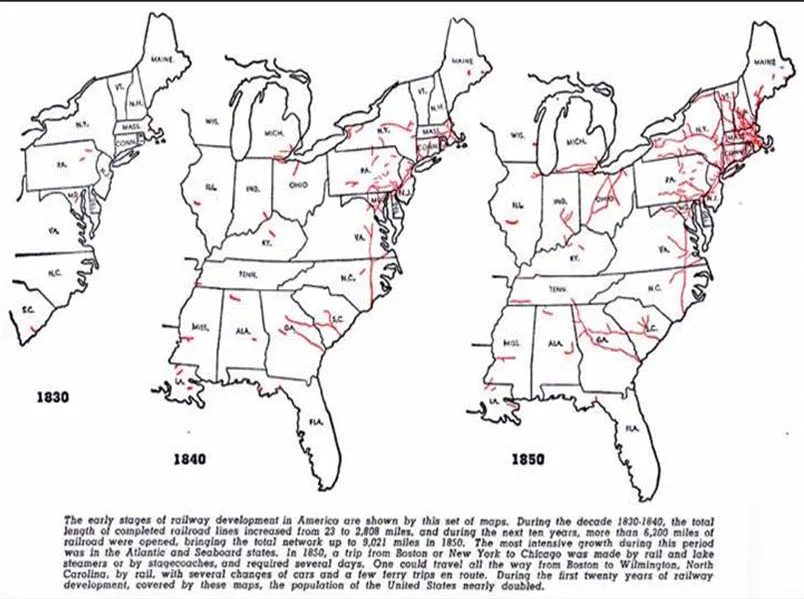
2,800 Miles of Rail

By 1840, 2,800 miles of railway cover the United States. It took just 13 years from the B&O's founding to build a transcontinental-scale network. And this was only the warmup.

Wagons · Nicki

1840s – 1860s

The Prairie Schooner — America's Family Car

As Americans pushed west, they needed something lighter than the massive Conestoga. Enter the prairie schooner: smaller, nimbler, designed for families rather than freight. Where the Conestoga was a semi-truck, the prairie schooner was an SUV.

Sturdy wooden frames and iron-rimmed wheels, but far less spacious — settlers packed only essentials: food, tools, and whatever they could squeeze in. It became the symbol of American frontier migration, rolling along the Oregon Trail, California Trail, and Mormon Trail by the thousands, reinforcing the ideology of Manifest Destiny.

Unlike the Conestoga (heavy freight in the East), the prairie schooner was built for family efficiency and adaptability, supporting the growth of regional economies by connecting frontier settlements with Eastern markets.

Video: Life on the Oregon Trail

Wait, Really?

About 1 in 10 people who started the Oregon Trail didn't make it. More died from cholera and accidental gunshot wounds than from conflicts with Native Americans. "You have died of dysentery" from the video game was real life.

1850 – 1865

The World Shrinks

"9,000 miles of rail, clipper ships, and a Civil War that changed everything"

Railroads · Cooper

1850

9,000 Miles — More Than the Rest of the World Combined

By 1850, 9,000 miles of railway cover the US — as much as the entire rest of the world combined. America didn't just adopt railroads. America went absolutely feral for railroads. Towns that got a rail stop boomed. Towns that didn't? Ghost towns.

Boats · Luke

1845 – 1860s

Clipper Ships — The Ferraris of the Ocean

The fastest sailing vessels ever built. Up to 35 sails, slender hulls, and cargo space sacrificed for pure speed. The Gold Rush created insane demand — San Francisco exploded from 2,000 to 100,000+ people and everything they needed came by ship around Cape Horn. A $5 barrel of flour in New York sold for $50–60 in San Francisco.

Donald McKay's Sovereign of the Seas hit 22 knots — a speed steamships wouldn't match until the 1890s. The Flying Cloud, navigated by captain's wife Eleanor Creesy, made NYC to San Francisco in 89 days. Her record stood for over 130 years.

Video: The Fastest Ships Ever Built Under Sail
All · Convergence

1850s

Canal vs. Railroad — Only One Survives

Canals thought they'd won. Railroads said "hold my coal." Canals froze in winter — railroads didn't. Canals required flat terrain — railroads could climb hills. The B&O Railroad was literally created because Baltimore was losing business to the Erie Canal. One innovation killing another, in real time.

Boats · Luke

June 13, 1858

Mark Twain's Steamboat Tragedy

Young Samuel Clemens — later Mark Twain — quit as steersman on the SS Pennsylvania after a fight with the ship's master, but first got his brother Henry a job aboard. Days later, all four boilers exploded. The engineer had been away from his post. The boat was in flames in one minute. Henry died.

Clemens found Henry in a metallic coffin — women had raised money for a proper burial. Henry wore a suit borrowed from Samuel. Then a woman placed white roses with a single red rose on his chest. Clemens had dreamed this exact scene weeks earlier. He was haunted by it for life.

All · Convergence

1861 – 1865

The Civil War — Transportation's Trial by Fire

The first major conflict where railroads, steamboats, and wagon supply lines all played decisive roles simultaneously. Military railroads moved troops faster than ever. Steamboats became floating hospitals. Wagon trains kept armies fed. Ironclad warships — the USS Monitor vs. CSS Virginia — made every wooden navy on earth obsolete overnight.

The war accelerated transportation technology by decades. Controlling transportation meant controlling the war — and the future.

Video: How Transportation Shaped the Civil War
Boats · Luke

April 27, 1865

The Sultana — America's Worst Maritime Disaster

The steamboat Sultana exploded on the Mississippi, killing ~1,800 people — more than the Titanic. The worst maritime disaster in US history. Designed for 376 passengers, it carried 2,127 — mostly Union soldiers freed from Confederate POW camps, finally heading home.

The captain knew a boiler needed repair but patched it to keep his government contract. Three of four boilers blew near Memphis at 2 AM. Nobody remembers because Lincoln's assassin was killed the day before and every paper covered that instead. The wreck was found in 1982 — 32 feet under a soybean field, because the Mississippi changed course entirely.

Wait, Really?

The Sultana carried SIX TIMES its design capacity. Nearly as many died as in the entire War of 1812. And most Americans have never heard of it.

By the Numbers

The Data

"How fast, how far, how deadly"

How Fast Could You Go?

Top speeds by transportation mode

Walking
3 mph
Conestoga
4 mph
Prairie Schooner
5 mph
Stagecoach
8 mph
Flatboat ↓
5 mph
Clermont 1807
5 mph
Steamboat 1840s
13 mph
Clipper Ship
25 mph
Early Train 1830
18 mph
Express 1850
30 mph

Railroad Miles in the US

From zero to more than the rest of the world combined

23
1830
2,800
1840
9,000
1850
30,626
1860

By 1850, US rail = rest of the world combined

How Long Would Your Trip Take?

Same routes, different eras and modes

150 miles up the Hudson

Horse 1790
6 days
Sail 1800
4 days
Steam 1807
32 hrs
Train 1850
7 hrs

~3,000 miles across the continent (or 15,000 by sea)

Wagon 1845
5 months
Sail 1840s
200 days
Clipper 1851
89 days
Train 1869
7 days

~1,300 miles down the coast or through the interior

Wagon 1800
8 weeks
Sail 1810
4 weeks
Steam 1830s
10 days
Train 1857
4 days

The Deadliest Steamboat Disasters

American maritime casualties on western rivers

~200
Miami
1832
~300
Monmouth
1837
~130
John Adams
1851
~700
8 months
pre-1852
~1,800
Sultana
1865

The Sultana killed more people than the Titanic. Most Americans have never heard of it.

The Cost of Moving Stuff

Shipping cost per ton, NYC to Buffalo (~360 miles)

Wagon 1817
$100/ton
Erie Canal 1825
~$5/ton
Railroad 1850
~$15/ton

THE ERIE CANAL DROPPED FREIGHT COSTS 95%

Wagons vs. Rails vs. Boats

How the three modes stacked up by 1860

WAGONSRAILROADSBOATS
Top Speed5 mph30 mph25 mph*
Go Anywhere?✓ Yes✗ Tracks only✗ Water only
Weather Proof?Mud = death✓ MostlyFreeze/flood
Cargo2-6 tons100+ tons200+ tons
Explosion RiskNoneLowHIGH
LegacyOpened the WestConnected itFed the economy

*Clipper ships under optimal wind

TBD

Topic Coming Soon

One more teammate's chapter will be added here.

Moving America — A History Project

Nicki · Cooper · Luke · TBD

University of Texas at Austin · 2026

✏️ EDIT MODE — Click any highlighted text to edit. Press Ctrl+Shift+E to exit.